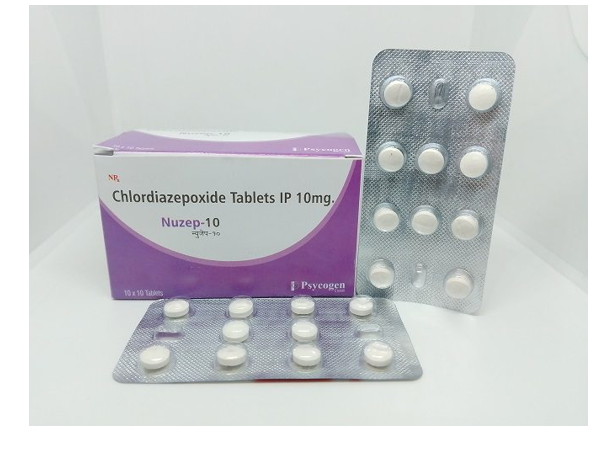
Chlordiazachel
Why is this medication prescribed?
Chlordiazepoxide is used to relieve anxiety and to control agitation caused by alcohol withdrawal. Chlordiazepoxide is in a class of medications called benzodiazepines. It works by decreasing abnormal electrical activity in the brain.
How should this medicine be used?
Chlordiazepoxide comes as a tablet and capsule to take by mouth. It usually is taken one to four times a day with or without food. Follow the directions on your prescription label carefully, and ask your doctor or pharmacist to explain any part you do not understand. Take chlordiazepoxide exactly as directed.
Other uses for this medicine
Chlordiazepoxide is also used to treat irritable bowel syndrome. Talk to your doctor about the possible risks of using this medication for your condition.
This medication is sometimes prescribed for other uses; ask your doctor or pharmacist for more information.
What special precautions should I follow?
Before taking chlordiazepoxide,
tell your doctor and pharmacist if you are allergic to chlordiazepoxide, alprazolam (Xanax), clonazepam (Klonopin), clorazepate (Gen-Xene, Tranxene), diazepam (Diastat, Valium), estazolam, flurazepam, lorazepam (Ativan), oxazepam, temazepam (Restoril), triazolam (Halcion), any other medications, or any of the ingredients in tablets and capsules. Ask your pharmacist for a list of the ingredients.
tell your doctor and pharmacist what prescription and nonprescription medications, vitamins, nutritional supplements, and herbal products you are taking or plan to take while taking chlordiazepoxide. Your doctor may need to change the doses of your medications or monitor you carefully for side effects.
tell your doctor if you have or have ever had glaucoma; seizures; or lung, heart, or liver disease.
tell your doctor if you are pregnant, plan to become pregnant, or are breastfeeding. If you become pregnant while taking chlordiazepoxide, call your doctor immediately.
talk to your doctor about the risks and benefits of taking chlordiazepoxide if you are 65 years of age or older. Older adults should not usually take chlordiazepoxide because it is not as safe or effective as other medication(s) that can be used to treat the same condition.
if you are having surgery, including dental surgery, tell the doctor or dentist that you are taking chlordiazepoxide.
you should know that this medication may make you drowsy. Do not drive a car or operate machinery until you know how this medication affects you.
What should I do if I forget a dose?
If you take several doses per day and miss a dose, skip the missed dose and continue your regular dosing schedule. Do not take a double dose to make up for a missed one.
What side effects can this medication cause?
Chlordiazepoxide may cause side effects. Tell your doctor if any of these symptoms are severe or do not go away:
drowsiness
dizziness
tiredness
weakness
dry mouth
diarrhea
upset stomach
changes in appetite
Tell your doctor if any of these symptoms are severe or do not go away:
restlessness or excitement
constipation
difficulty urinating
frequent urination
blurred vision
changes in sex drive or ability
Some side effects can be serious. If you experience any of the following symptoms or those listed in the IMPORTANT WARNING section, call your doctor immediately or get emergency medical help:
shuffling walk
persistent, fine tremor or inability to sit still
fever
difficulty breathing or swallowing
severe skin rash
yellowing of the skin or eyes
irregular heartbeat
If you experience a serious side effect, you or your doctor may send a report to the Food and Drug Administration's (FDA) MedWatch Adverse Event Reporting program online (https://www.fda.gov/Safety/MedWatch) or by phone (1-800-332-1088).
What should I know about storage and disposal of this medication?
Keep this medication in the container it came in, tightly closed, and out of reach of children. Store it at room temperature and away from excess heat and moisture (not in the bathroom).
Keep all medication out of sight and reach of children as many containers are not child-resistant. Always lock safety caps. Place the medication in a safe location – one that is up and away and out of their sight and reach. https://www.upandaway.org
Dispose of unneeded medications in a way so that pets, children, and other people cannot take them. Do not flush this medication down the toilet. Use a medicine take-back program. Talk to your pharmacist about take-back programs in your community. Visit the FDA's Safe Disposal of Medicines website https://goo.gl/c4Rm4p for more information.
In case of emergency/overdose
In case of overdose, call the poison control helpline at 1-800-222-1222. Information is also available online at https://www.poisonhelp.org/help. If the victim has collapsed, had a seizure, has trouble breathing, or can't be awakened, immediately call emergency services at 911.
What other information should I know?
Keep all appointments with your doctor.
Chlordiazepoxide can cause false results when using the Gravindex pregnancy test.
Do not let anyone else take your medication. Ask your pharmacist any questions you have about refilling your prescription.
Keep a written list of all of the prescription and nonprescription (over-the-counter) medicines, vitamins, minerals, and dietary supplements you are taking. Bring this list with you each time you visit a doctor or if you are admitted to the hospital. You should carry the list with you in case of emergencies.
Brand names
Poxi®
Librax® (as a combination product containing Clidinium, Chlordiazepoxide)
Brand names of combination products
Limbitrol® (containing Amitriptyline, Chlordiazepoxide)