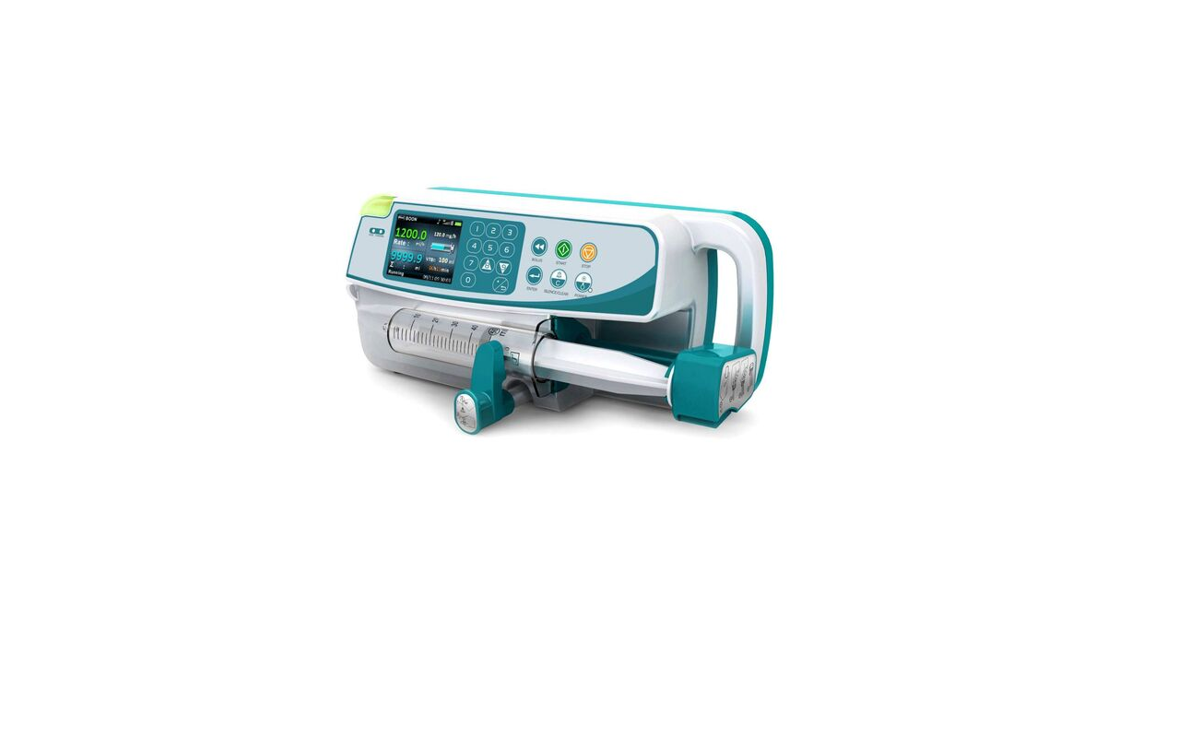
Infusion Pumps
Infusion pumps, common medical devices, are used to administer fluids such as nutrients or medications to patients. In comparison to manual administration of fluids, infusion pumps provide the advantage of controlled administration—the ability to deliver fluids in small volumes or at precisely programmed rates or intervals. Many newer infusion pumps are equipped with predetermined clinical guidelines, dose error reduction systems (DERSs), and drug libraries that provide a comprehensive list of medicines and fluids with dose, volume, and flow rate details. These “smart pumps” are designed to address the programming errors that traditional pumps are susceptible to by notifying a user when there is a risk of an adverse drug interaction or when the pump’s parameters are set outside of specified safety limits for the medication being administered. Alerts generated by smart pumps include clinical advisories, soft stops, and hard stops. Clinical advisories provide information about medications within the administering facility’s drug library, including prompts for correct administration, which are programmed into the pump by the facility or larger organization. Soft stops notify users that a selected dose is outside of the anticipated range for a specific medication. These alerts can be overridden without changing the pump’s settings. Hard stops alert users that a dose is out of the institution’s determined range and prohibit the infusion from being administered unless the pump is reprogrammed.1
As infusion pump technology continues to evolve, use of smart pumps in hospitals has increased. A report by the American Society of Health-System Pharmacists found that in 2013, 72.9 percent of all U.S. hospitals were using smart infusion pumps, compared with just 44 percent in 2007.2 Along with this increase, many national organizations have identified implementing smart pumps as a key patient safety tool. The Institute for Safe Medication Practices (ISMP) strongly supports the use of smart pump safety features, and in 2006, the Institute of Medicine identified adoption of smart pumps as a strategy hospitals can use to help reduce the frequency and severity of medication errors.3
Despite the growing support for the use of smart pumps as a safety strategy, however, the literature shows varying results for the effect they have on reducing medication errors. User error, inadequate use of safety technology, incorrect programming, and equipment failures can still occur, significantly impacting patient safety.