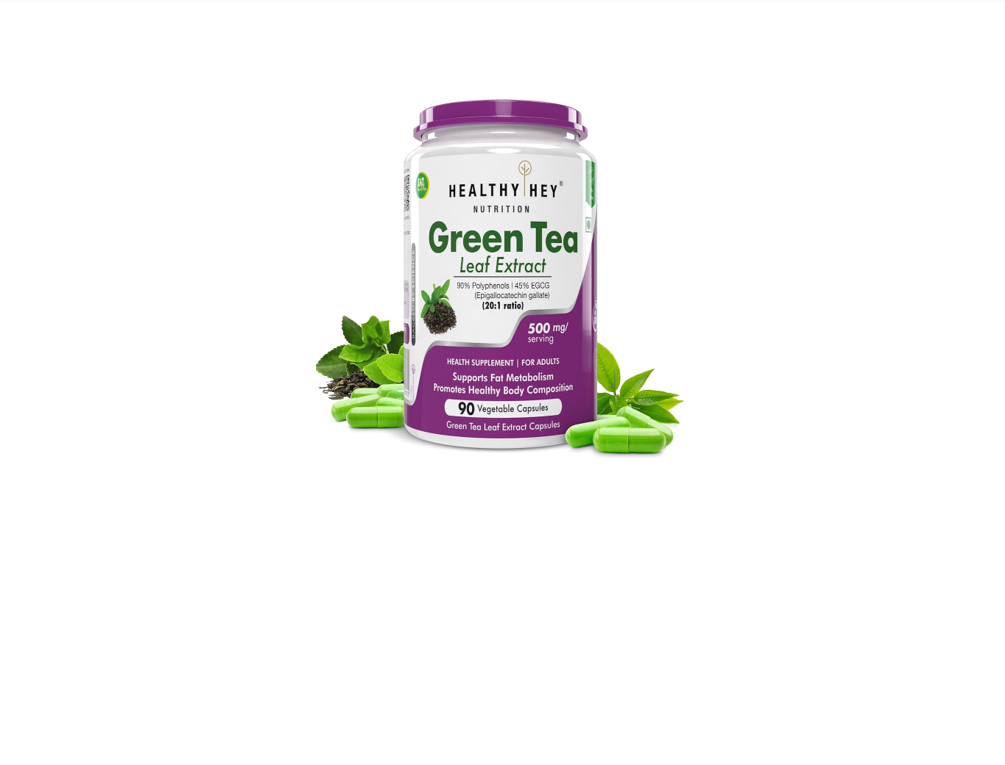
Green Tea Extract
Green tea, derived from the leaves of the Camellia sinensis (L.) Kuntze plant, is among the most widely consumed and health-promoting beverages worldwide. Its use dates back to around 3000 BC in ancient China. Historical records, including the ancient medical text Shen Nong’s Herbal Classic, demonstrate that the Chinese population was aware of tea’s health-promoting and disease-preventative properties. Subsequently, the recognition of tea’s health benefits has transcended national boundaries, becoming widely acknowledged both within China and internationally [1]. Currently, tea cultivation has expanded to over 30 countries, but is enjoyed by over 3 billion people across 160 countries and regions. The primary nations recognized for their significant tea production include China, India, Sri Lanka, Japan, Taiwan, and Kenya [1,2]. As a result, tea contributes significantly to global economic growth. In 2020, the global tea market was valued at approximately USD 200 billion, and it is projected to increase to over USD 318 billion by 2025 [3].
In recent years, green tea consumption has become very popular due to its flavor and appealing fragrance, and for its numerous health-beneficial effects as well as enhancing overall well-being. A number of in vitro and in vivo studies have reported its antioxidant, anti-inflammatory and antimicrobial effects, anticancer activity as well as cancer prevention, anti-aging effect and weight loss [4,5].