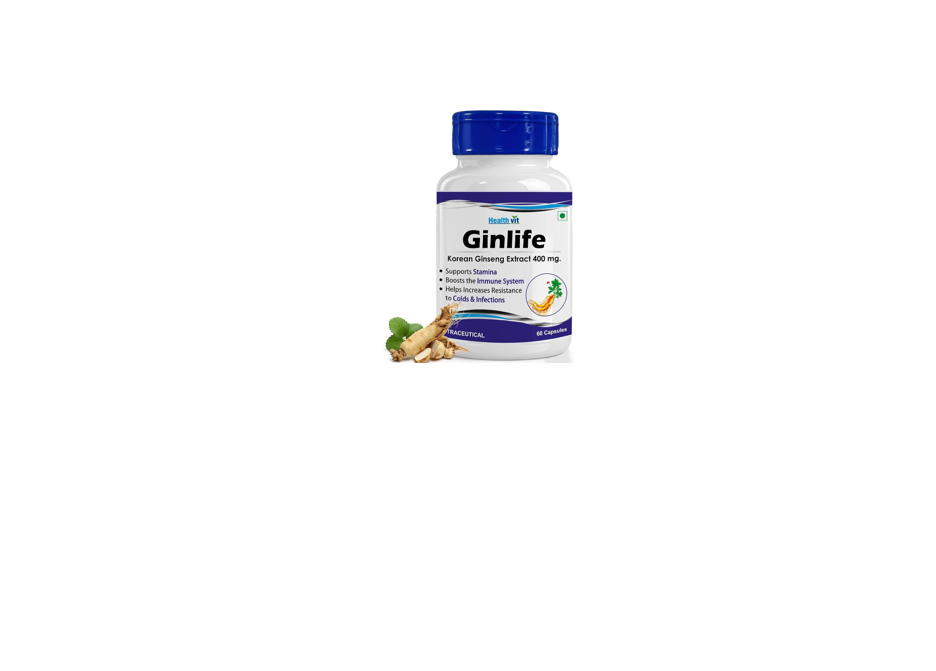
Ginseng Extract
Ginseng is a plant. Different varieties of ginseng root have been used as treatments in Asia and North America for centuries. Ginseng is one of the most popular herbal medicines in the world.
Benefits of Ginseng
There are two main types of ginseng: Asian or Korean ginseng (Panax ginseng) and American ginseng (Panax quinquefolius). Studies show that different types have different benefits. In traditional Chinese medicine, American ginseng is considered less stimulating than the Asian variety.
Although many other herbs are called ginseng—like eleuthero or Siberian ginseng—they don't contain the active ingredient of ginsenosides.
Ginseng has traditionally been used for a number of medical conditions. But its benefits for most of them haven't been seriously researched. Anecdotally, the root may help you:
Build immunity. Some studies show that ginseng may boost your immune system. There's some evidence that one particular type of American ginseng extract might lower the number and severity of colds in adults.
Regulate blood sugar. Several studies in people have shown that ginseng may lower blood sugar levels.
Improve focus. There's some early evidence that ginseng might give a small, short-term boost to concentration and learning. Some studies of mental performance have combined ginseng with extract from leaves of the ginkgo tree, another traditional remedy said to help with dementia. While these studies are intriguing, many experts feel we need more evidence.
Reduce inflammation. Some studies suggest that ginseng may help control inflammatory diseases.
This video is from the WebMD Archive.
Asian Ginseng: Benefits, Risks Side Effects
Asian ginseng is one of the most popular herbal supplements in the world.
Ginseng has also been studied as a way to improve mood and boost endurance, as well as treat:
Cancer
Heart disease
Fatigue
Hepatitis C
High blood pressure
Menopausal symptoms
While some of these uses are promising, the evidence isn't conclusive.
Ginseng Dosage
Standard doses of ginseng haven't been established for any condition. Quality and active ingredients in supplements may vary widely from maker to maker. This makes it hard to establish a standard dose. Most research studies suggest daily doses of 200 milligrams of Panax ginseng extract or 0.5-2 grams of dry root. When given as a capsule, dosages of ginseng usually range from 100-600 milligrams a day.
Always buy ginseng from a trustworthy company. Because it's an expensive root, there's a risk that disreputable manufacturers might sell ginseng with other things added in or include less than advertised on the bottle.
Ginseng Uses
You can get ginseng as a dietary supplement in the form of tea, dried herbs, powder, or capsules.
Ginseng is sometimes also added to other, everyday products, such as toothpastes, soaps, baby foods, candies, beverages, cigarettes, and gum. The form you decide to use might depend on your health needs and your personal preferences.
Ginseng root
Ginseng root comes from several plant species in the Panax genus family. The root is the part of the plant that's most often used for health purposes.
A ginseng root appears tan and twisted. It looks a lot like a body that has strings for arms and legs.
You can peel and chew the raw ginseng root. Another option is to soak it in wine to drink. Or you can boil the root to make into a tea.
Ginseng supplements
Ginseng is a top-selling supplement that comes in different forms. It's important to remember that the FDA doesn't regulate herbal supplements, such as ginseng. That means you might not really know exactly what’s in the product you take.
As a tablet or capsule, you can take ginseng supplements by mouth with water. These pills typically contain ground-up root or extract. They may include different types of ginseng.
Ginseng root extract powder can be dissolved in different types of beverages. The powder may contain higher amounts of ginseng than the tablets or capsules.
Ginseng tea
Ginseng tea is made from the ginseng root. You can buy already-made teas or make them yourself out of roots or powder.
Ginseng herbs
Some research has suggested that ginseng dried herbs may offer more health benefits than raw ginseng. While you can dry ginseng yourself, the process can be complicated. Prepared dried ginseng is sold at many retail stores and online.
Ginseng in Food
There are no natural food sources of ginseng. Ginseng is sometimes added to energy drinks and foods.
You can also add ginseng to:
Soups or stews
Oatmeal
Stir-fried dishes
Smoothies
Beverages such as coffee, juices, or teas