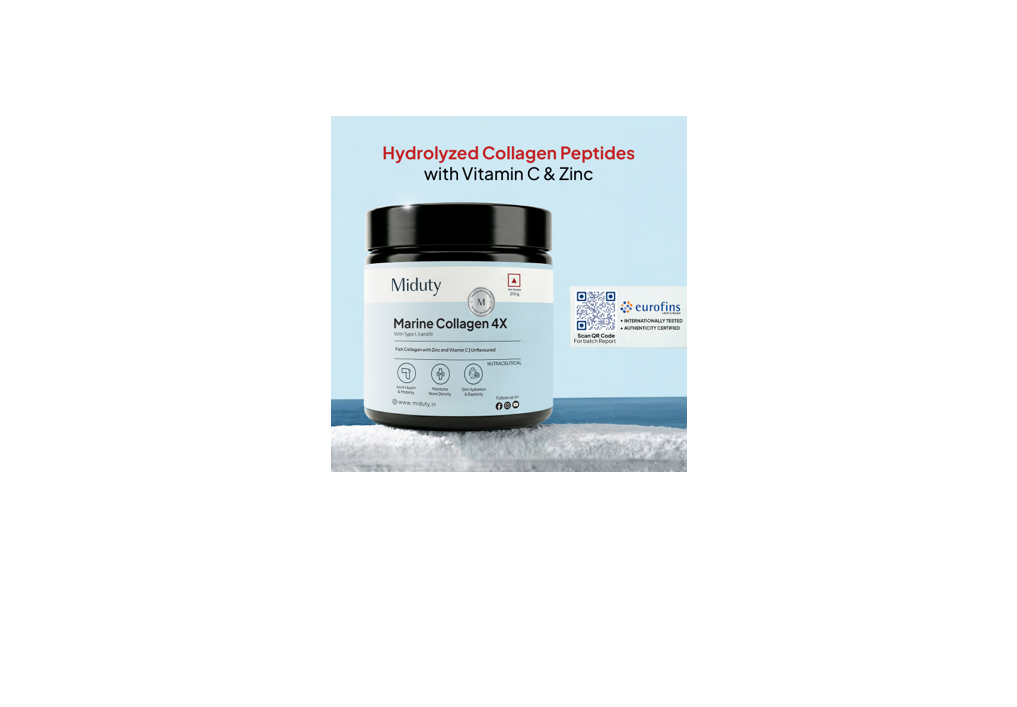
Marine Collagen
Recently, marine organisms have received consideration as promising sources of collagen, because they have no limitations in use for any religions and there are no reports of possible transmissible diseases. In particular, biomass derived from the activities of fish-processing industries and fisheries (fish and sea urchin wastes, undersized fish and by-catch organisms such as jellyfish, sharks, starfish, sponges) might become an important, yet underexploited, source of collagen [9,10,11,12,13,14]. The use of discarded and underused biomass will contribute to the development of a sustainable pipeline to obtain collagen with a significantly reduced environmental impact.
In this review, we present a general overview of the studies carried out on by-catch organisms and wastes from fish and sea urchin processing industries in order to isolate collagen. We discuss the structure of collagen, the established methodologies for collagen extraction from these marine sources, and its applications. We also discuss novel technologies based on thermoplastic processes that have been investigated for other types of proteins, and that might be applied to marine collagen.