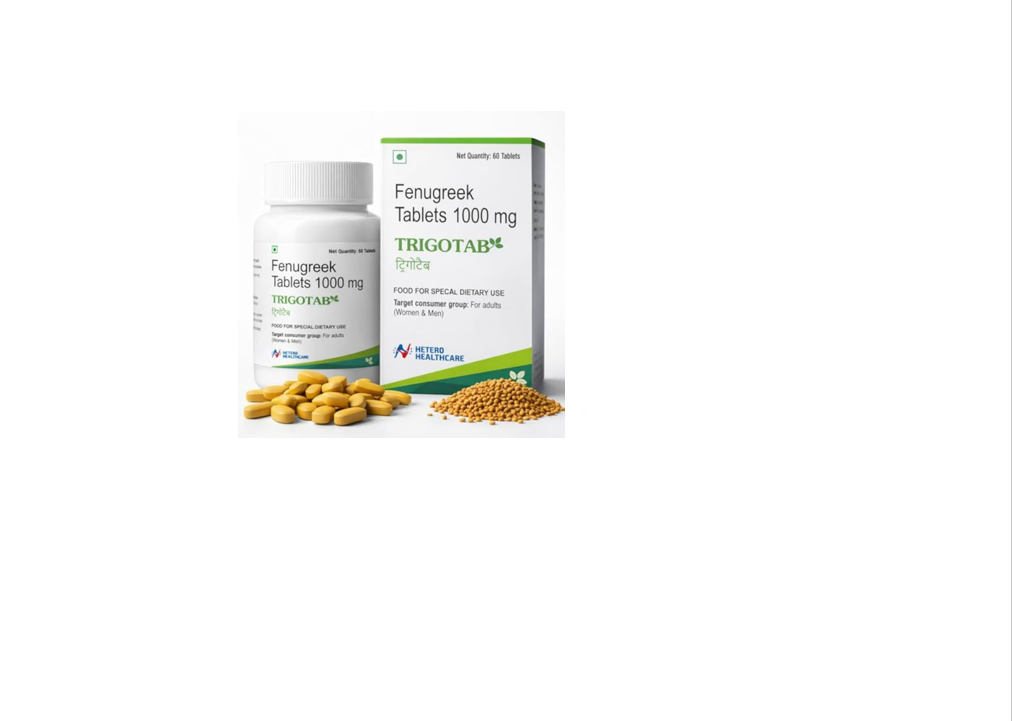
Fenugreek Tablets
Fenugreek (also known as Trigonella foenum-graecum of Fabaceae family) is used widely over the world, particularly in India, Egypt, China, and Middle Eastern nations, for both cooking purposes and the treatment of T2DM [3,4,5]. For its effectiveness in the diabetic population, several mechanisms have been proposed. Alkaloids such as trigonelline and Fenugrecin present in fenugreek have been shown to have hypoglycemic activity, whereas soluble fibers such as glucomannan fiber and 4-hydroxyisoleucine (4-OH Ile) amino acids stimulate the production of insulin from the pancreas [6]. Furthermore, a clinical study showed that fenugreek’s antidiabetic effect was accomplished by increasing insulin sensitivity [6]. In contrast, some studies have found that fenugreek seeds may decrease postprandial insulin and glucose levels (PPG) [7,8,9,10]. Additionally, a few longer-term trials with fenugreek have also demonstrated decreases in fasting plasma glucose (FPG) and PPG as well as glycated hemoglobin (HbA1c) [10,11,12], whereas some studies did not yield positive results [13,14]. Given the conflicting evidence from multiple studies, we conducted an updated systematic review and meta-analysis on the effects of fenugreek on glycemia by including randomized controlled trials (RCTs) only.